

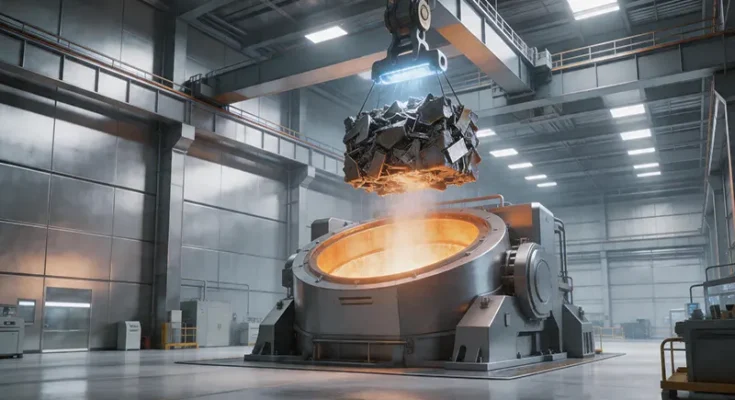
Circular Economy Transition in Heavy Industry: A Lever for Radical Carbon Emission Reduction
The Carbon-Circular Nexus
As the global industrial sector navigates the midpoint of this decisive decade, the limitations of a purely energy-centric decarbonization strategy have become apparent. While the transition to renewable electrification and green hydrogen is non-negotiable, these solutions primarily target energy-related emissions. In “hard-to-abate” sectors—steel, cement, chemicals, and aluminum—nearly half of the total greenhouse gas (GHG) footprint stems from “process emissions” and the inherent inefficiency of linear material flows.
According to 2026 climate benchmarks, while energy transition can address approximately 55% of global emissions, the remaining 45% are structurally tied to the way we produce and manage materials. This is where the Circular Economy emerges as the “silent engine” of decarbonization. By decoupling economic growth from virgin resource extraction, circularity provides a systemic lever to collapse the carbon intensity of heavy industry.
The Shift from “Linear-Waste” to “Circular-Carbon”
The traditional “take-make-waste” model is being replaced by Circular Materials Management…
Circular Economy Transition in Heavy Industry: A Lever for Radical Carbon Emission Reduction Read More